
Album: Ursa Major, Ursa Minor
Music on YT: https://youtu.be/fgg2-eXfwSg
FB: https://www.facebook.com/belusbaldr/
ENGLISH VERSION
The Little Goddess
From: Ian McDonald, The Little Goddess, in “River of Gods”, 2004
I remember the night I became a goddess.
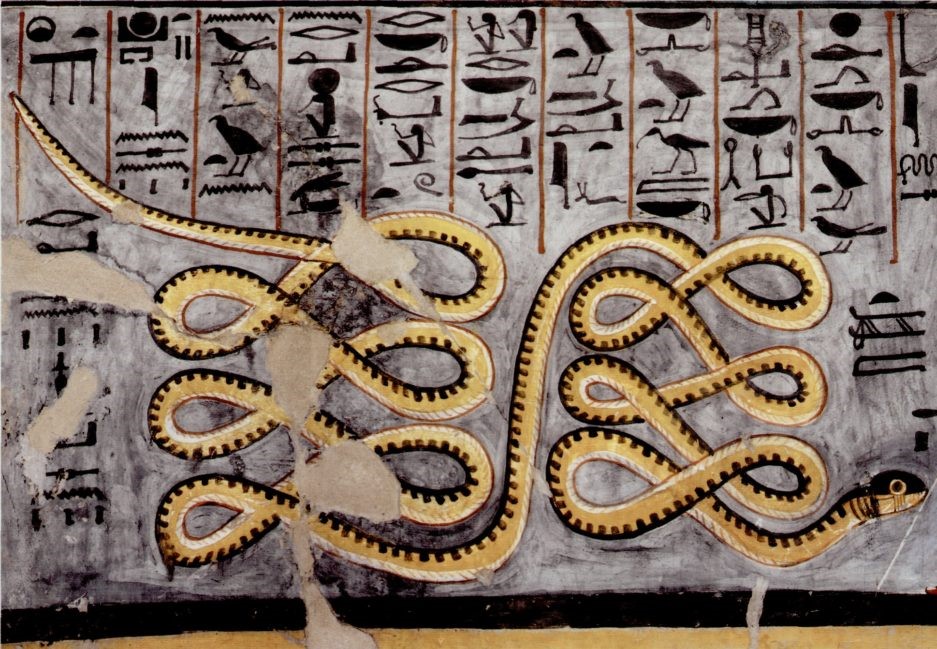
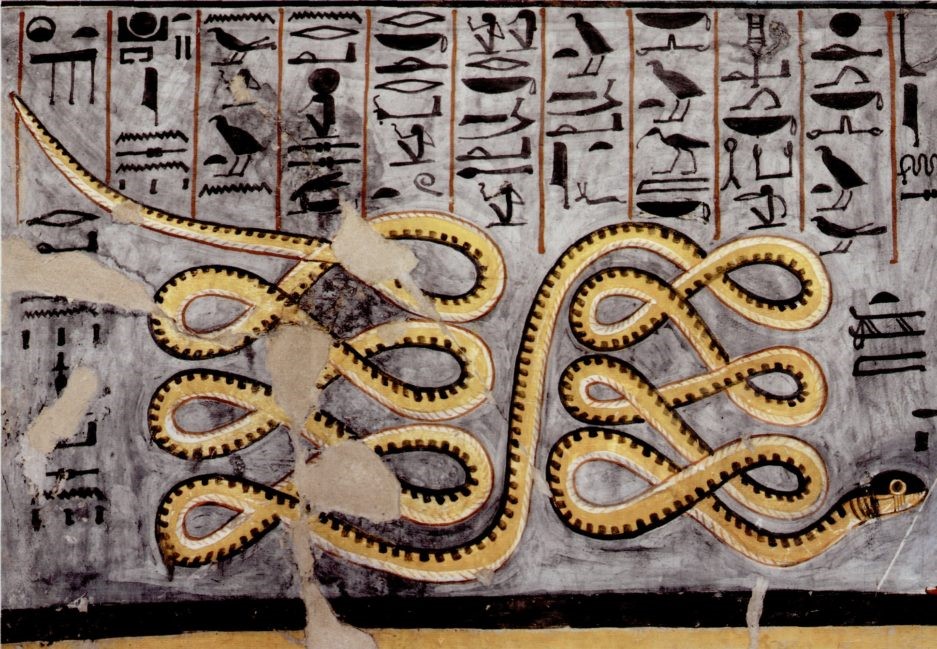
The men collected me from the hotel at sunset. I was light-headed with hunger, for the child-assessors said I must not eat on the day of the test. There were two other girls for the test staying in the same hotel. I did not know them; they were from other villages where the devi could live. Their parents wept unashamedly. I could not understand it; their daughters might be goddesses. The room smelled of brassy metal. I did not recognize it then but I know it now as the smell of blood. Beneath the blood was another smell, of time piled thick as dust. One of the two women who would be my guardians if I passed the test told me the temple was five hundred years old. She was a short, round woman with a face that always seemed to be smiling, but when you looked closely you saw it was not. She made us sit on the floor on red cushions while the men brought the rest of the girls. Some of them were crying already. When there were ten of us the two women left and the door was closed. We sat for a long time in the heat of the long room. Some of the girls fidgeted and chattered but I gave all my attention to the wall carvings and soon I was lost. It has always been easy for me to lose myself; in Shakya I could disappear for hours in the movement of clouds across the mountain, in the ripple of the grey river far below, and the flap of the prayer banner in the wind. My parents saw it as a sign of my inborn divinity, one of the thirty-two that mark those girls in whom the goddess may dwell. In the failing light I read the story of Jayaprakash Malla playing dice with the devi Taleju Bhawani who came to him in the shape of a red snake and left with the vow that she would only return to the Kings of Kathmandu as a virgin girl of low caste, to spite their haughtiness. I could not read its end in the darkness, but I did not need to. I was its end, or one of the other nine low-caste girls in the god-house of the devi.
Then the door burst open wide and firecrackers exploded and through the rattle and smoke red demons leaped into the hall. Behind them men in crimson beat pans and clappers and bells. At once two of the girls began to cry and the two women came and took them away. But I knew the monsters were just silly men. In masks. These were not even close to demons. I have seen demons, after the rain clouds when the light comes low down the valley and all the mountains leap up as one. Stone demons, kilometers high. I have heard their voices, and their breath does not smell like onions. The silly men danced close to me, shaking their red manes and red tongues, but I could see their eyes behind the painted holes and they were afraid of me. Then the door banged open again with another crash of fireworks and more men came through the smoke. They carried baskets draped with red sheets. They set them in front of us and whipped away the coverings. Buffalo heads, so freshly struck off the blood was bright and glossy. Eyes rolled up, lolling tongues still warm, noses still wet. And the flies, swarming around the severed neck. A man pushed a basket towards me on my cushion as if it were a dish of holy food. The crashing and beating outside rose to a roar, so loud and metallic it hurt. The girl from my own Shakya village started to wail; the cry spread to another and then another, then a fourth. The other woman, the tall pinched one with a skin like an old purse, came in to take them out, carefully lifting her gown so as not to trail it in the blood. The dancers whirled around like flame and the kneeling man lifted the buffalo head from the basket. He held it up in my face, eye to eye, but all I thought was that it must weigh a lot; his muscles stood out like vines, his arm shook. The flies looked like black jewels. Then there was a clap from outside and the men set down the heads and covered them up with their cloths and they left with the silly demon men whirling and leaping around them.
There was one other girl left on her cushion now. I did not know her. She was of a Vajryana family from Niwar down the valley. We sat a long time, wanting to talk but not knowing if silence was part of the trial. Then the door opened a third time and two men led a white goat into the devi hall. They brought it right between me and the Niwari girl. I saw its wicked, slotted eye roll. One held the goat’s tether, the other took a big ceremonial kukri from a leather sheath. He blessed it and with one fast strong stroke sent the goat’s head leaping from its body. I almost laughed, for the goat looked so funny, its body not knowing where its head was, the head looking around for the body and then the body realizing that it had no head and going down with a kick, and why was the Niwari girl screaming, couldn’t she see how funny it was, or was she screaming because I saw the joke and she was jealous of that? Whatever her reason, smiling woman and weathered woman came and took her very gently away and the two men went down on their knees in the spreading blood and kissed the wooden floor. They lifted away the two parts of the goat. I wished they hadn’t done that. I would have liked someone with me in the big wooden hall. But I was on my own in the heat and the dark and then, over the traffic, I heard the deep-voiced bells of Kathmandu start to swing and ring. For the last time the doors opened and there were the women, in the light.
“Why have you left me all alone?” I cried. “What have I done wrong?”
“How could you do anything wrong, goddess?” said the old, wrinkled woman who, with her colleague, would become my mother and father and teacher and sister. “Now come along with us and hurry. The King is waiting.”
“Your home, goddess”
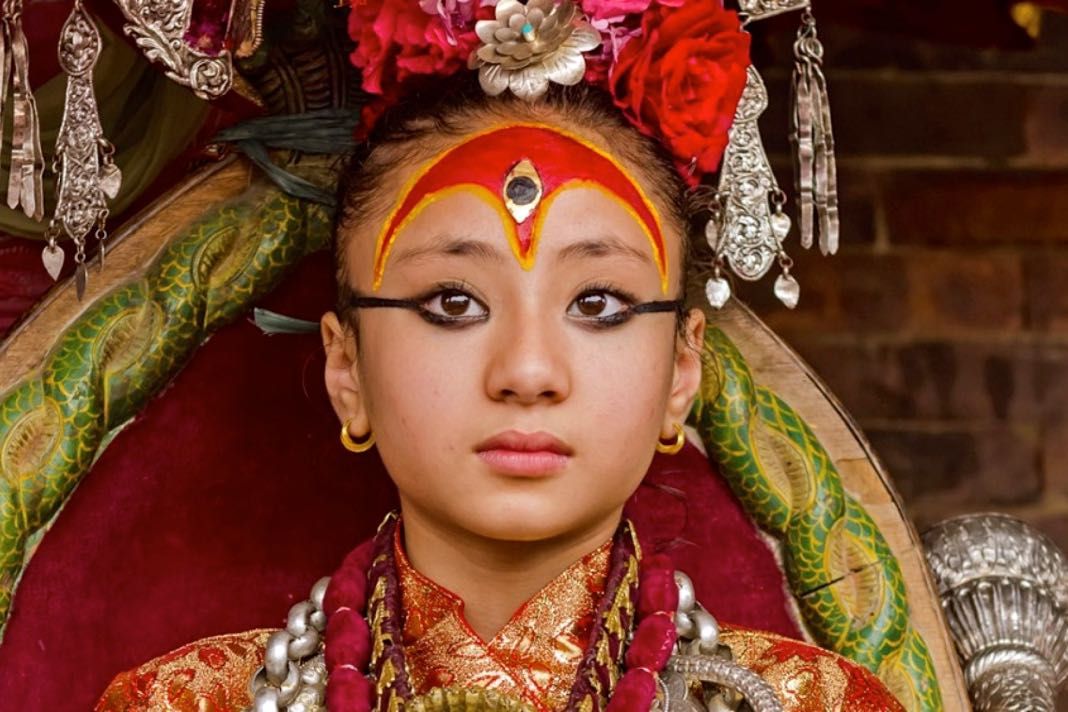
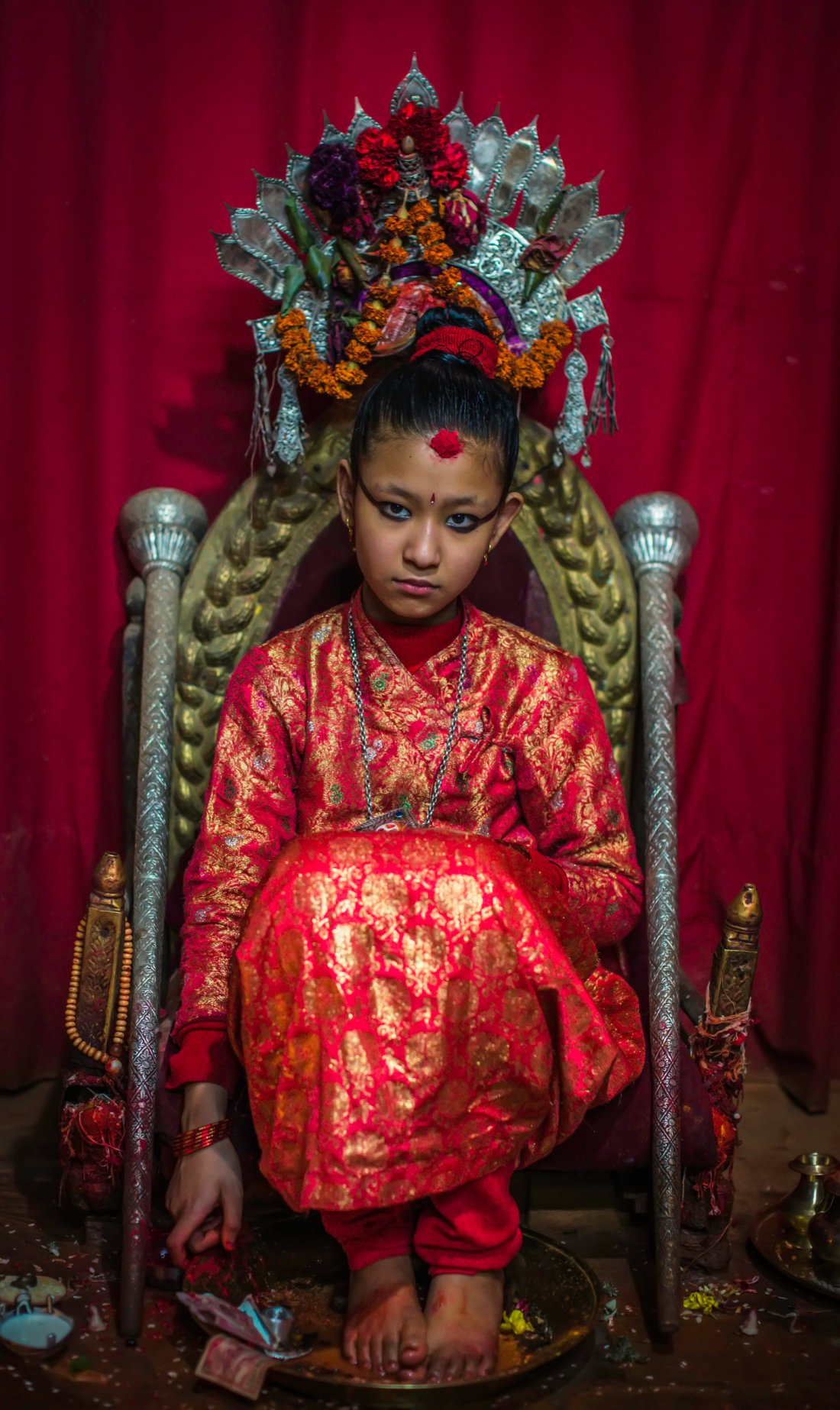
“Outside this palace you shall not touch the ground. The moment you touch the ground, you cease to be divine. You will wear red, with your hair in a topknot and your toe- and fingernails painted. You will carry the red tilak of Siva on your forehead. We will help you with your preparations until they become second nature. You will speak only within the confines of your palace, and little even then. Silence becomes the Kumari. You will not smile or show any emotion. You will not bleed. Not a scrape, not a scratch. The power is in the blood and when the blood leaves, the devi leaves. On the day of your first blood, even one single drop, we will tell the priest and he will inform the King that the goddess has left. You will no longer be divine and you will leave this palace and return to your family. You will not bleed. You have no name. You are Taleju, you are Kumari. You are the goddess.”
VERSIONE ITALIANA
La piccola dea
Da: Ian McDonald, The Little Goddess, in “River of Gods”, 2004
Ricordo la notte in cui diventai una dea.
L’uomo mi venne a prendere all’hotel che era già sera. Ero affamata, perché i valutatori mi avevano detto che non avrei dovuto mangiare durante il giorno del test. Altre due bambine erano iscritte al test e stavano nel mio stesso albergo. Non le conoscevo; venivano da altri paesi, in cui la devi avrebbe potuto vivere. I loro genitori piangevano senza vergogna alcuna. Ciò non lo capivo: loro figlia avrebbe potuto essere una dea. La stanza sapeva di metallo, d’ottone. Allora non l’avevo riconosciuto, ma ora so che era lo stesso odore del sangue. Velato, c’era anche l’odore di polvere densa, accumulata da tempo. Una delle due donne che sarebbe state le mie guardiane, se avessi passato la prova, mi disse che il tempio aveva cinquecento anni. Era una donna piccola e rotonda, con un viso che sembrava sempre sorridente, ma se lo guardavi con attenzione, non sorrideva affatto. Ci fece sedere per terra su dei cuscini rossi mentre gli uomini accompagnavano le altre bambine. Alcune di esse stavano già piangendo. Quando fummo in dieci, le due donne se ne andarono e chiusero la porta. Restammo sedute a lungo nel calore della lunga stanza. Qualche bambina si agitava, qualche altra chiacchierava, ma io rivolgevo tutta l’attenzione agli intagli sulle pareti e subito mi perdetti. Mi è sempre stato facile perdermi: a Shakya potevo fuggire per ore nel movimento delle nuvole tra le montagne, nelle increspature dell’acqua grigia del fiume giù in basso o nel lembo della bandiera nel vento. I miei genitori vedevano in tutto ciò un segno della mia innata divinità, uno dei trentadue segnali che marchiano le bambine in cui la dea potrebbe dimorare. Nella debole luce leggevo la storia di Jayaprakash Malla che giocava a dadi con la devi Taleju Bhawani, la quale si presentò a lui nelle sembianze di un serpente rosso e se ne andò con il voto secondo cui sarebbe tornata a far visita al Re di Kathmandu come una giovane vergine proveniente dal ceto basso, a dispetto della sua alterigia. Non riuscii a leggere la fine del racconto a causa dell’oscurità, ma non ne avevo bisogno: io ero la fine della storia, o una delle altre nove bambine povere nella casa divina della devi.
Ad un tratto la porta si spalancò e dei petardi esplosero e attraverso il crepitio e il fumo demoni rossi saltarono dentro la sala. Dietro ad essi, uomini vestiti di rosso battevano padelle, batacchi e campane. Subito due bambine iniziarono a piangere e le due donne vennero e le portarono via. Ma io sapevo che quei mostri erano solo degli stupidi uomini mascherati: non erano nemmeno lontanamente simili a demoni. Io ho visto i demoni, dopo le nuvole di pioggia, quando la luce scende in basso nella valle e le montagne saltano all’unisono. Demoni di pietra, alti chilometri. Ho ascoltato le loro voci e il loro respiro non sa di cipolle. Quegli stupidi uomini danzavano vicini a me, scuotendo le loro criniere e le loro lingue rosse, ma io potevo vedere i loro occhi dietro ai fori dipinti e io li spaventavo. Quindi la porta si spalancò di nuovo con un altro scoppio di petardi e alcuni uomini si avvicinarono attraversando il fumo. Portavano con sé cestini drappeggiati con lenzuola rosse. Li posarono di fronte a noi e tolsero i coperchi. Teste di bisonti da così poco tempo recise che il sangue era ancora lucido e brillante. Gli occhi rovesciati, le lingue distese ancora calde, le narici ancora umide. E le mosche brulicanti attorno al collo mozzato. Un uomo spinse un cesto verso di me sopra il mio cuscino, come se fosse un piatto di cibo sacro. Il fragore e il battito all’esterno si sollevarono in un ruggito, così forte e metallico che faceva male alle orecchie. La bambina che, come me, veniva da Shakya iniziò a piangere; il pianto si propagò da lei a un’altra, a una terza, poi a una quarta. L’altra donna, quella alta ed emaciata con la pelle come una vecchia borsetta, entrò per portarle via, sollevando con cautela la veste per non farle toccare il sangue. I ballerini volteggiavano come fiamme e l’uomo inginocchiato sollevò la testa di bisonte dal cesto. La sollevò davanti al mio viso, faccia a faccia, ma io pensai solo che doveva essere molto pesante; i suoi muscoli emergevano come viti, il suo braccio tremava. Le mosche somigliavano a neri gioielli. Quindi ci fu un colpo da fuori e gli uomini posarono le teste e le coprirono con i loro panni e se ne andarono con gli sciocchi uomini-demoni che volteggiavano intorno a loro.
Era rimasta solo un’altra bambina seduta sul suo cuscino, ora. Non la conoscevo. Era di una famiglia Vajryana di Niwar, giù nella valle. Restammo sedute a lungo, volevamo parlare ma non sapevamo se il silenzio fosse parte della prova. La porta si aprì una tersa volta e due uomini portarono una capra bianca nella sala della devi. La portarono dritto tra me e la ragazza di Niwar. Vidi il malizioso occhio della bestia a fessura. Un uomo teneva la catena della bestia, l’altro estraeva un grosso kukri cerimoniale da un fodero di cuoio, lo benedì e con un colpo rapido e netto staccò la testa della capra dal corpo. Trattenni a stento il riso, dal momento che la capra sembrava così divertente: il suo corpo non sapeva dove fosse la testa, la testa cercava il corpo, poi il corpo capì che non aveva più la testa e si accasciò con un calcio; e mi chiedevo perché la ragazza di Niwar stesse piangendo: non vedeva quanto fosse divertente, o stava piangendo perché io ho capito lo scherzo e lei era gelosa? Qualunque fosse il motivo, entrarono due donne, una sorridente e l’altra attempata, e la portarono via con molta delicatezza. I due uomini si inginocchiarono nella pozza di sangue che si stava allargando e baciarono il pavimento di legno. Sollevarono poi le due parti della capra. Avrei preferito che non lo facessero: mi sarebbe piaciuto che rimanesse qualcuno con me nella grande sala di legno. Ma rimasi da sola nel caldo e nel buio, e poi, sopra il rumore del traffico di Kathmandu, udii le campane dalla voce profonda suonare. Per l’ultima volta le porte si aprirono e c’erano le donne, nella luce.
“Perché mi avete lasciato da sola?” piagnucolai, “Cosa ho fatto di sbagliato?”
“Come potresti fare qualcosa di sbagliato, mia dea?” disse la donna più anziana e rugosa che, assieme alle sue colleghe, sarebbero diventate mia madre, mia padre, la mia insegnante e mia sorella. “Ora sbrigati, vieni con noi. Il Re sta aspettando.”
“La tua casa, mia dea”
“Fuori da questo palazzo tu non toccherai mai il suolo. Nell’istante in cui tocchi il suolo, tu smetti di essere divina. Tu vestirai di rosso, con i capelli raccolti in uno chignon e le dita e le unghie dipinte. Tu porterai il tilak rosso di Shiva sulla fronte. Noi ti aiuteremo nei tuoi preparativi finché non diventerà una seconda natura. Parlerai solo entro i confini del tuo palazzo, e poco anche dentro di essi. Il silenzio si addice alla Kumari. Non sorriderai e non mostrerai alcuna emozione. Non dovrai sanguinare: non un taglio, non un graffio. Il potere è nel tuo sangue quando il sangue va via, anche la devi se ne va. Nel giorno delle tue prime mestruazioni, anche una sola goccia, noi informeremo il sacerdote ed egli informerà il Re che la dea se ne è andata. Tu non sarai più divina, lascerai questo palazzo e tornerai dalla tua famiglia. Non dovrai sanguinare. Tu non hai nome. Tu sei Taleju, tu sei la Kumari. Tu sei la dea.”


 Belus
Belus 